
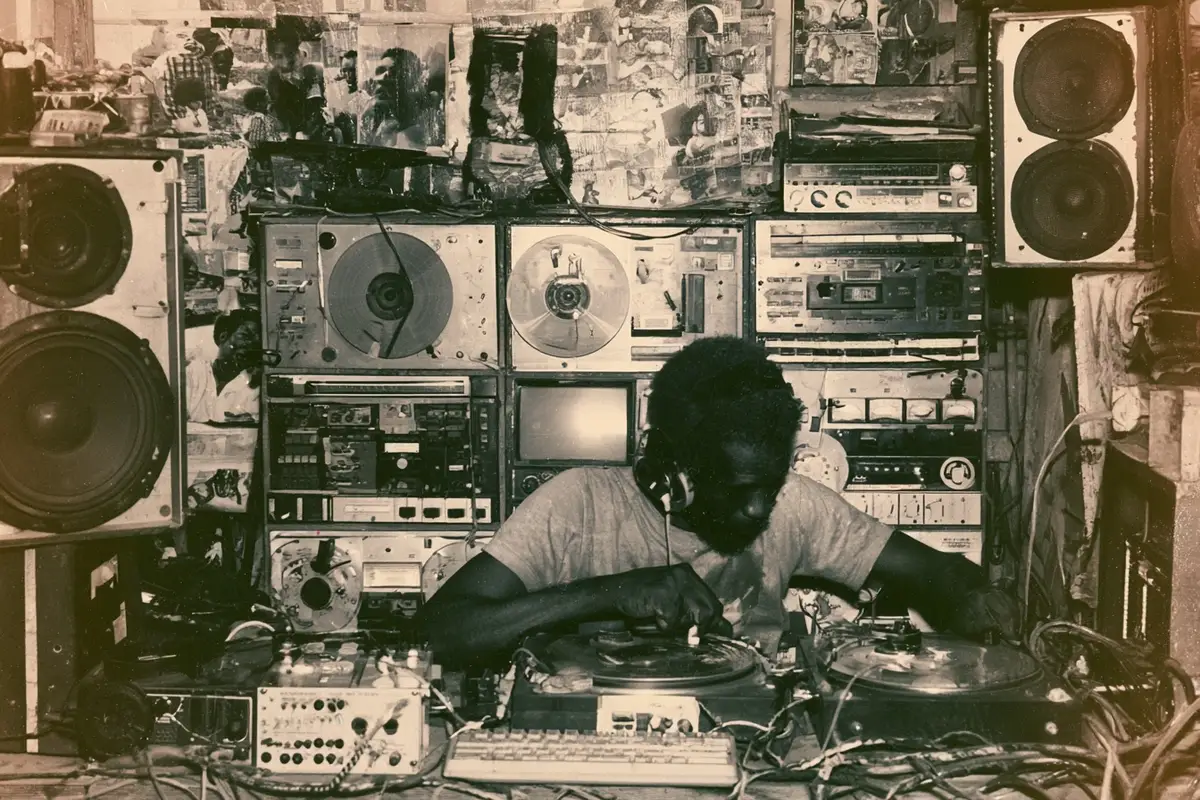
The mixing desk became an instrument
In a small room in Waterhouse, King Tubby stopped using a mixing desk to balance records and started using it to play them. Everything we call dub comes out of that decision.
Engineer and sound system operator
Osbourne Ruddock, known everywhere as King Tubby, was an electronics repairman who built his own sound system and then rebuilt the record itself. From a small room at 18 Dromilly Avenue in Waterhouse, Kingston, he took finished rhythm tracks and pulled them apart at the mixing desk: dropping the vocal, punching the drum through, sending the snare out into a long tail of spring reverb and delay.
His sound, Tubby’s Home Town Hi-Fi, gave him a live audience for the experiment. What worked in the dance got cut to a dubplate, and what worked on dubplate became the template for an entire form of music. The mixing desk stopped being a place where a record was tidied up and became the place where it was played.
Tubby was shot and killed outside his home in 1989. Almost every dub record made since owes something to the way he heard a rhythm track.
These are searches, not verified pages. Names in this music are reused often, so check you have the right King Tubby before you buy anything.
In a small room in Waterhouse, King Tubby stopped using a mixing desk to balance records and started using it to play them. Everything we call dub comes out of that decision.
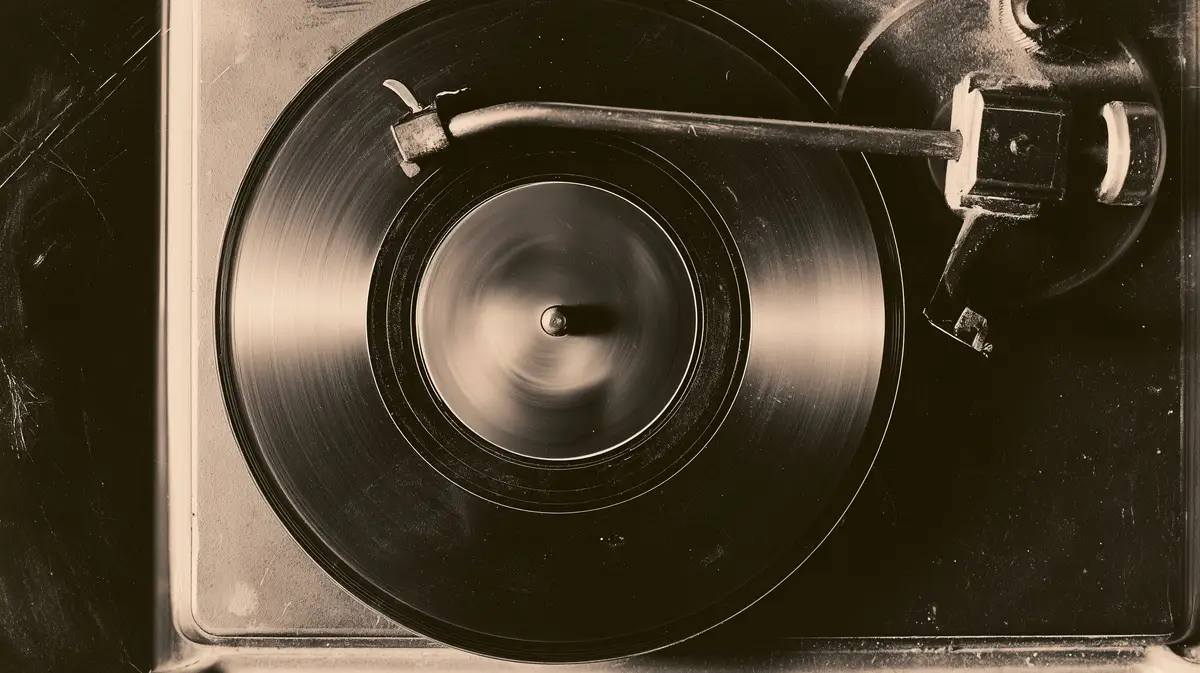
The instrumental on the back of the single started as a way to save money. It ended up producing an entire way of making music, and eventually most of modern pop production.
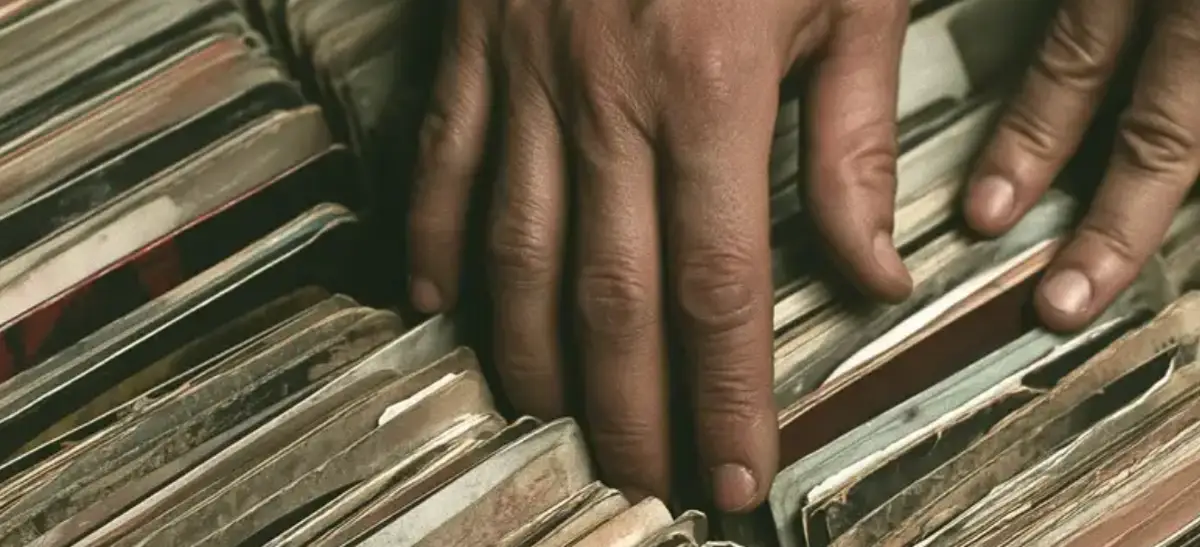
Not the ten best, and not the ten rarest. Ten that will teach you the most about how roots and dub work, in an order that makes sense.
In 1985 a preset rhythm from a cheap Casio keyboard went to number one in Jamaica and took the whole industry with it. Forty years on, people are still arguing about what was lost.
Somebody talking over a record was not a new idea. Doing it so well that the talking became the record was, and one man on King Tubby's sound worked out how.
The record people hand you when you ask what dub is. Fifty years on it is still the right answer, and still stranger than its reputation suggests.