Version excursion
The instrumental on the back of the single started as a way to save money. It ended up producing an entire way of making music, and eventually most of modern pop production.

Turn over a Jamaican single from the early 1970s and you will usually find the same rhythm again with the vocal removed, or half removed, credited as a version. It is easy to read this as filler. It was in fact one of the most consequential ideas in recorded music, and it came about for the most practical reasons imaginable.
The economics came first
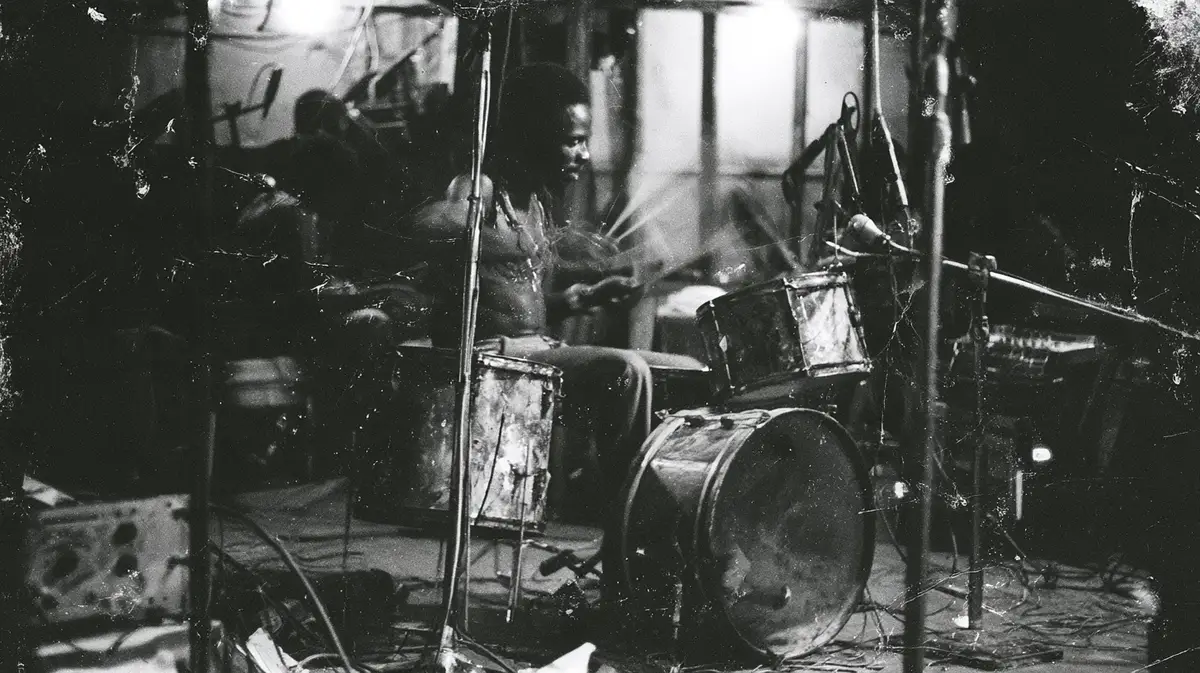
Studio time cost money and a good rhythm track was expensive to produce. Once you had one, using it once was waste. Sound systems wanted exclusive cuts to play. Deejays needed something to talk over. Cutting an instrumental to the B side solved several problems at once and cost almost nothing.
What nobody planned was the effect this had on how everyone involved thought about a song. Once the rhythm exists separately from the vocal, the rhythm becomes a thing in itself. It can be voiced again by another singer. It can be toasted over. It can be mixed into dub. Each of those is a new record, not a lesser copy of an old one.
The version as a form
The habit produced a genuine musical form with its own conventions. A good version does not simply mute the vocal. It rebalances the whole track for a different purpose: drums brought forward, bass given more room, fragments of the vocal left in as texture where they land well.
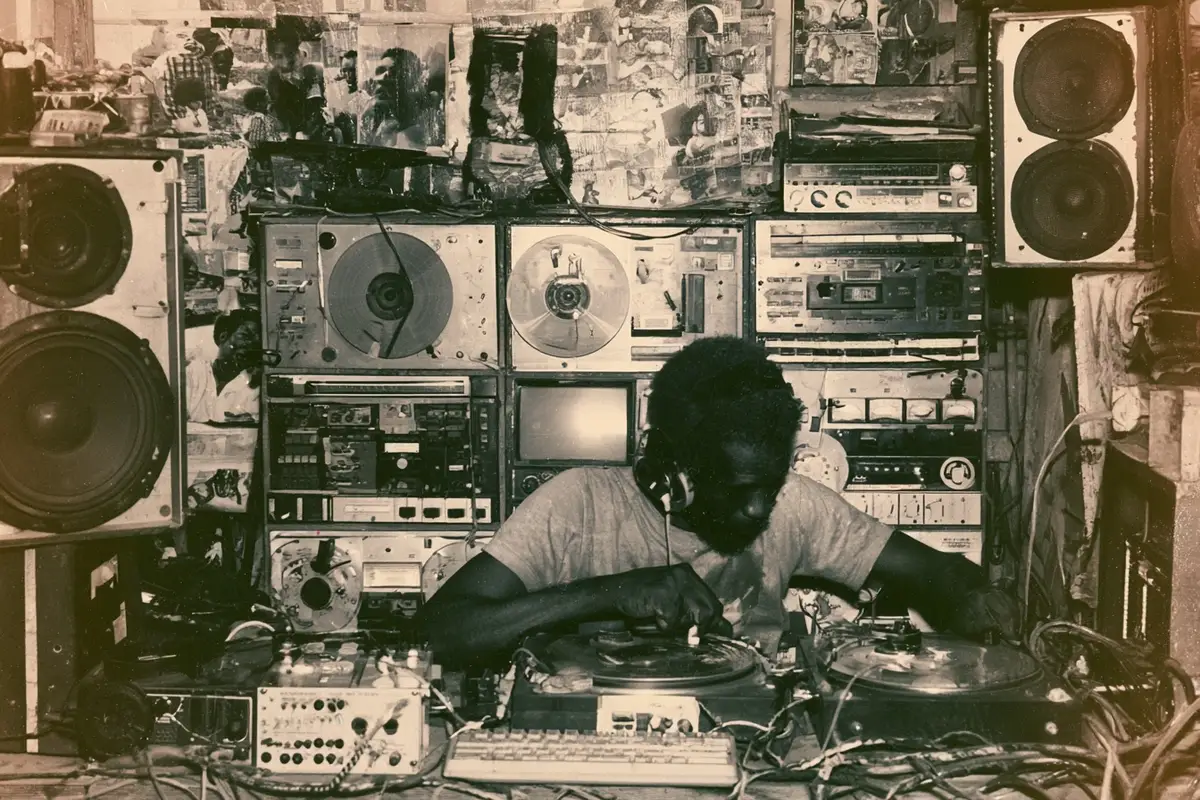
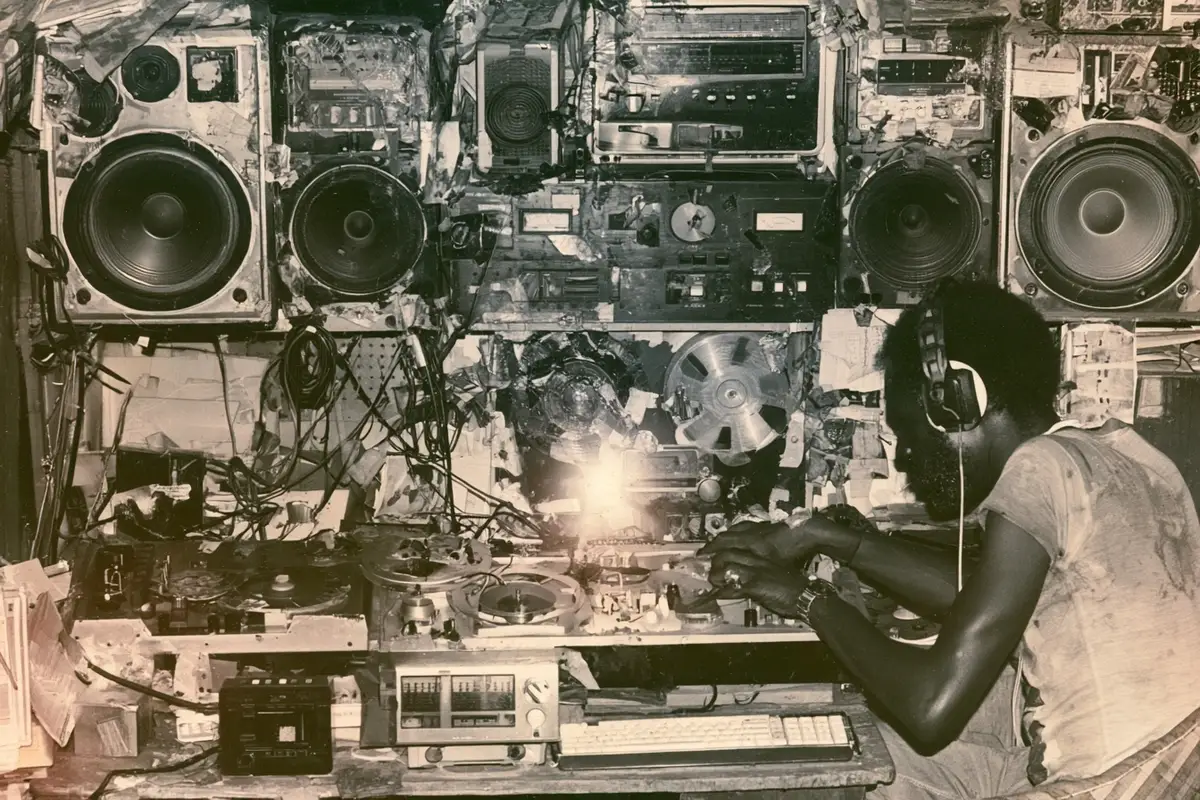
At King Tubby’s, this rebalancing became the main event. The version stopped being a by-product and became the reason the rhythm was cut in the first place. By the middle of the decade there were rhythms in circulation with a dozen legitimate incarnations, and audiences who knew all of them and could hear the differences.
What it seeded
The riddim, a rhythm track used by many artists and understood by the audience as a shared object, is a direct descendant. So is the remix as a standard commercial format. So, arguably, is the whole idea of a producer led record where the backing is the identifiable thing and the vocalist is one contributor among several.
You can draw a reasonably straight line from a Kingston B side cut to save studio money, through hip hop’s use of breaks, to a modern pop record where the same instrumental is released with three different guest vocals. The industry that grew up around all of this tends to describe those practices as innovations of its own. They were worked out first by people pressing singles on tight margins, for a market that wanted something new to dance to every week.
Listening exercise
Take one well known rhythm and find four cuts of it: the original vocal, a second vocal by a different singer, a deejay version, and a dub. Play them in order without skipping. By the fourth you will be hearing the rhythm itself rather than any of the songs, which is exactly what a dance does to you over the course of a night.