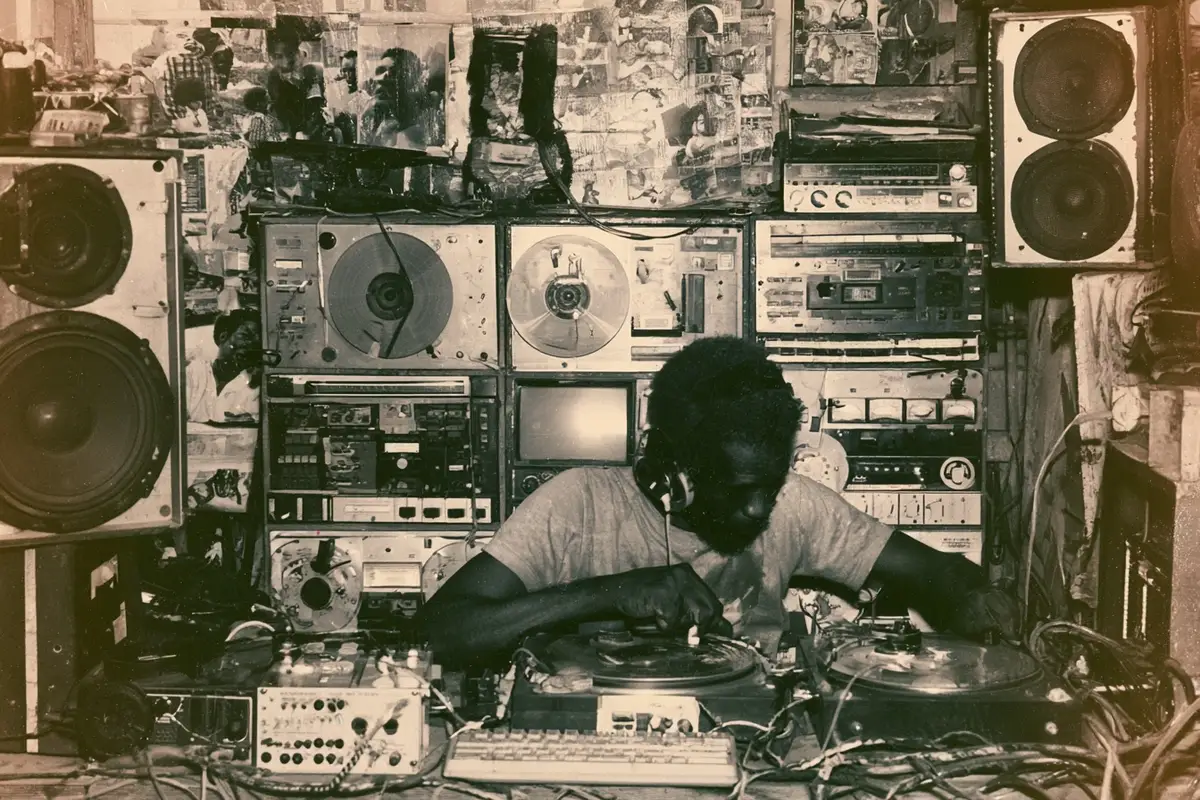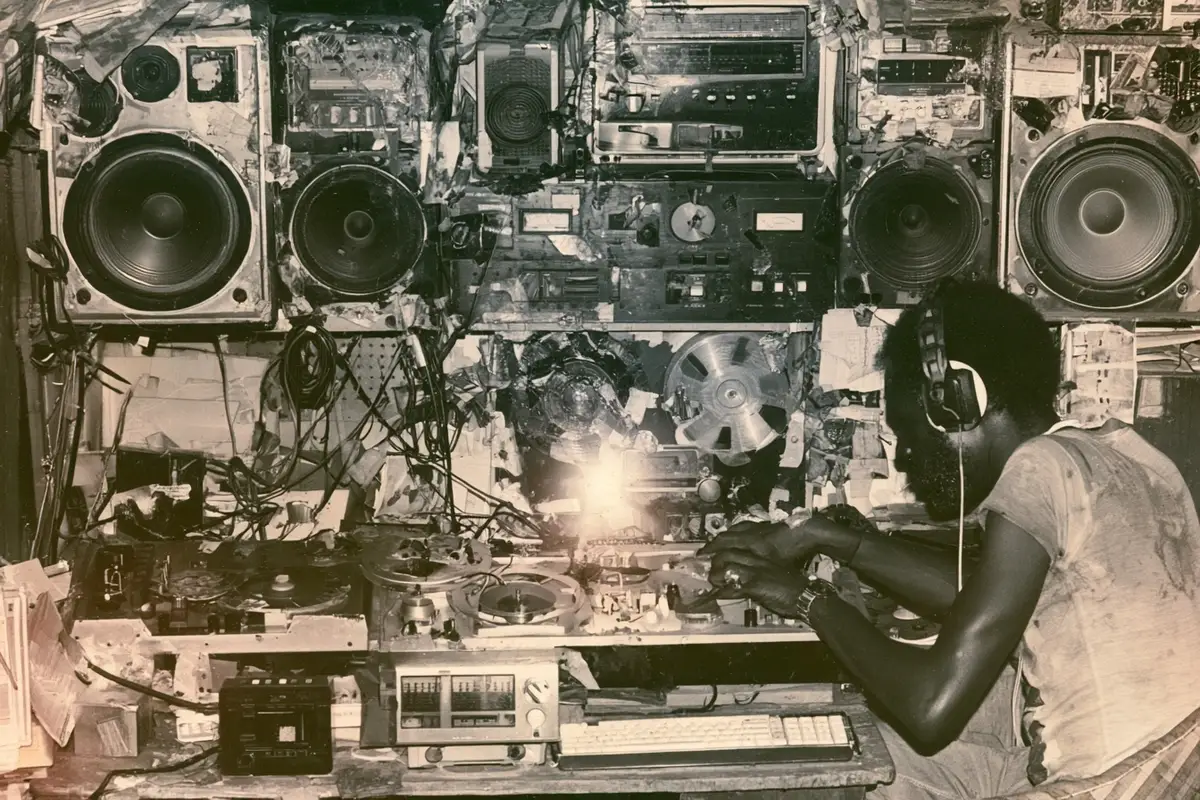
Rockers, and how Channel One changed the drum
A studio on Maxfield Avenue, a house band with something to prove, and a drummer who put the kick on every beat. Reggae's centre of gravity moved and never quite moved back.
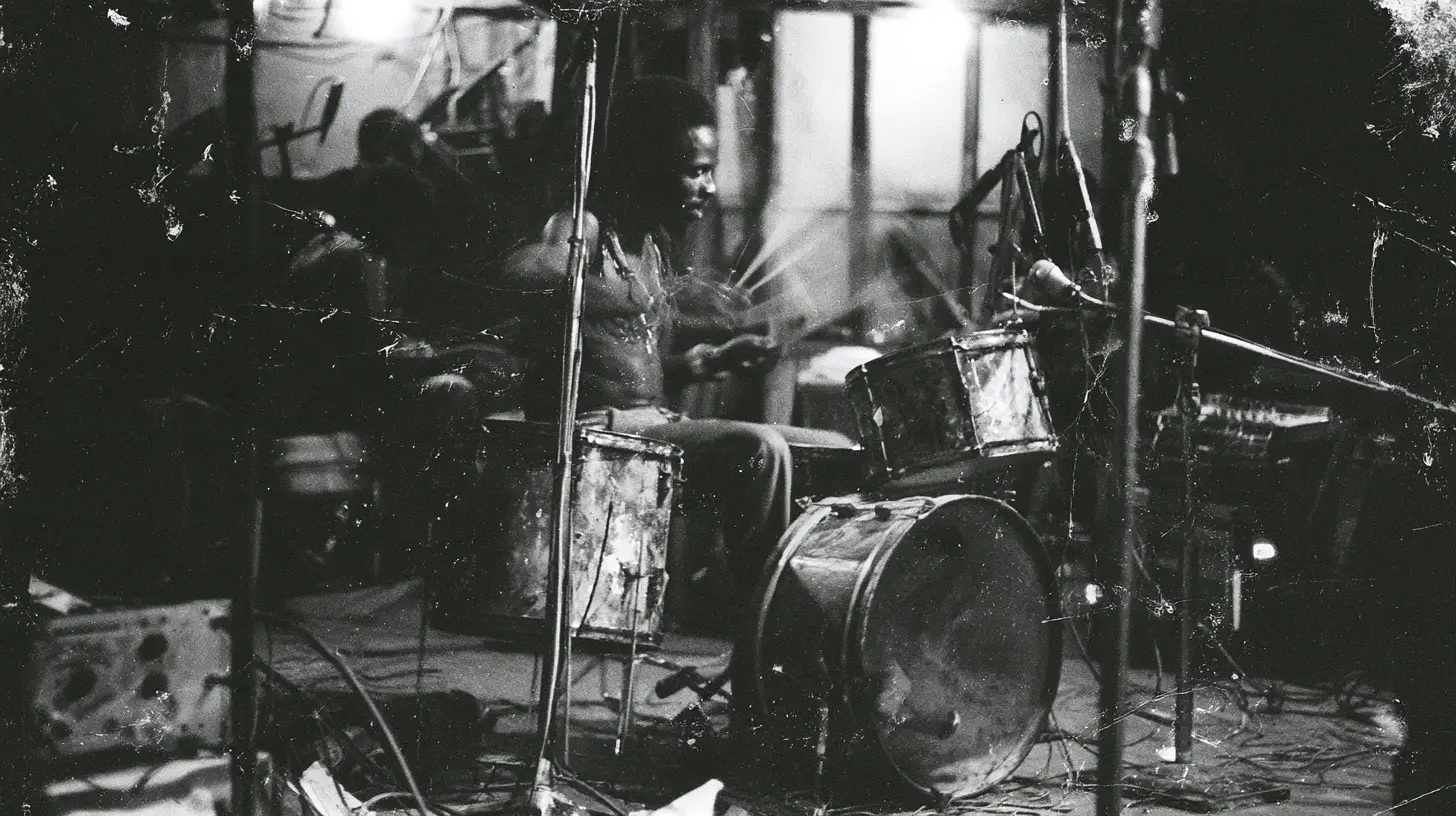
For most of the 1970s, if you wanted to know what reggae was going to sound like next year, you listened to what was coming out of Channel One. The Hoo Kim brothers opened the studio on Maxfield Avenue in west Kingston, and the house band they assembled, the Revolutionaries, turned out rhythms at a rate that reshaped the whole market.
The change people remember is in the drums. The one drop, where the kick and snare land together on the third beat and the first beat is left conspicuously empty, had defined reggae’s feel. It is a pattern built around a hole. Rockers filled it in. Sly Dunbar started putting the kick on all four beats, driving the tune forward while the bass kept its weight and its swing.
Why it mattered more than a drum pattern
Described that way it sounds like a small technical adjustment. In practice it changed what the music could carry. The one drop is patient and slightly suspended. Rockers is insistent. Put a militant lyric over it and the two things reinforce each other, which is exactly what happened as roots music turned more explicitly political through the middle of the decade.
It also travelled better. That harder pulse is legible to a listener who has no idea where beat one is supposed to be, which is part of why the records from this period were the ones that broke widest outside Jamaica.
The rhythm as common property
Channel One is also central to something people from outside the music find hard to accept: in Jamaica the rhythm track is not owned in the way a song is elsewhere. A good rhythm gets voiced by several singers, versioned by deejays, and mixed into dub, and each of those is a legitimate record in its own right rather than a cover.
The Revolutionaries recut classic Studio One rhythms with the new drum feel, and those recuts became standards themselves. To a copyright lawyer this is a nightmare. To anyone who has stood in a dance while a selector runs six versions of the same rhythm back to back, watching the crowd get louder each time, it is obviously the correct way to treat a good piece of music.
Listening now
Start with the instrumental sides. The Revolutionaries’ rhythms hold up on their own, which is the real test, and hearing them bare makes the bass playing much easier to follow. Then find a vocal cut and a dub of the same rhythm and play all three in a row. The distance the same eight bars can travel is the whole argument for how this music works.