Sleng Teng and the day the music went digital
In 1985 a preset rhythm from a cheap Casio keyboard went to number one in Jamaica and took the whole industry with it. Forty years on, people are still arguing about what was lost.
Every music has a date where the people who were there will tell you it changed. In Jamaica the date is 1985, and the record is Under Me Sleng Teng.
The story is simple enough. A small Casio keyboard, the sort sold for a child’s bedroom, had a bank of preset accompaniments built into it. One of them, sped up and stripped back, became a rhythm. Wayne Smith voiced it. King Jammy put it out. Within months there were dozens of versions, and within a couple of years a large part of the Jamaican industry had stopped booking bands.
Why it took over
It is tempting to explain this as novelty, and novelty was part of it. But the practical reasons are the ones that mattered.
A studio session with a full band is expensive and slow. It needs players who are available, a room, an engineer, and several takes. A rhythm built on a keyboard needs one person and an afternoon. For producers working on thin margins, in a market that wanted something new every week, that was not a stylistic choice. It was arithmetic.
The sound also suited the dance. Digital rhythms are relentless and perfectly even, and on a big system that evenness is physical in a way a human drummer is not. What sounds thin on a small speaker is enormous through a stack.
What the argument is actually about
People who dislike the digital turn usually say the music lost its warmth, and they are not wrong about the sound. What is often left out is what else changed with it.
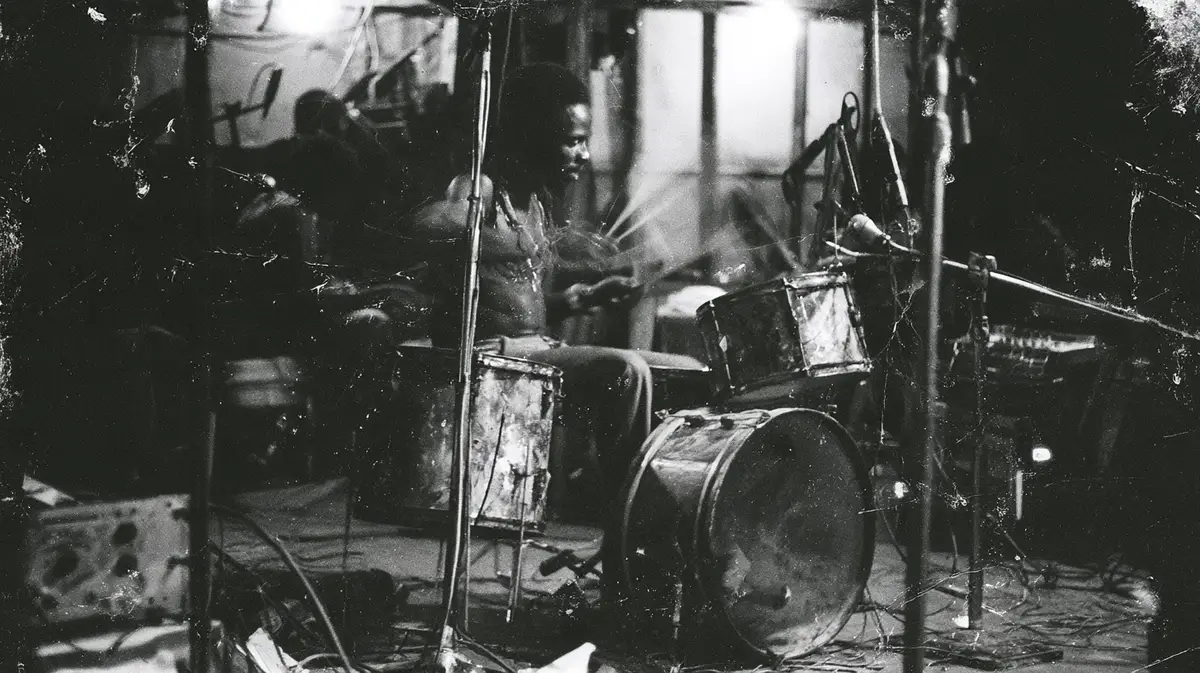
When rhythms came from bands, a large number of musicians made a living from session work. When rhythms came from keyboards, most of that work disappeared. The players who had built the music’s vocabulary over twenty years found the studios no longer needed them. That is a bigger loss than a change of timbre, and it rarely gets counted.
Set against that, the barrier to making a record dropped enormously, and a generation who could never have afforded studio time started producing. Both things are true.
Jammy’s part in it
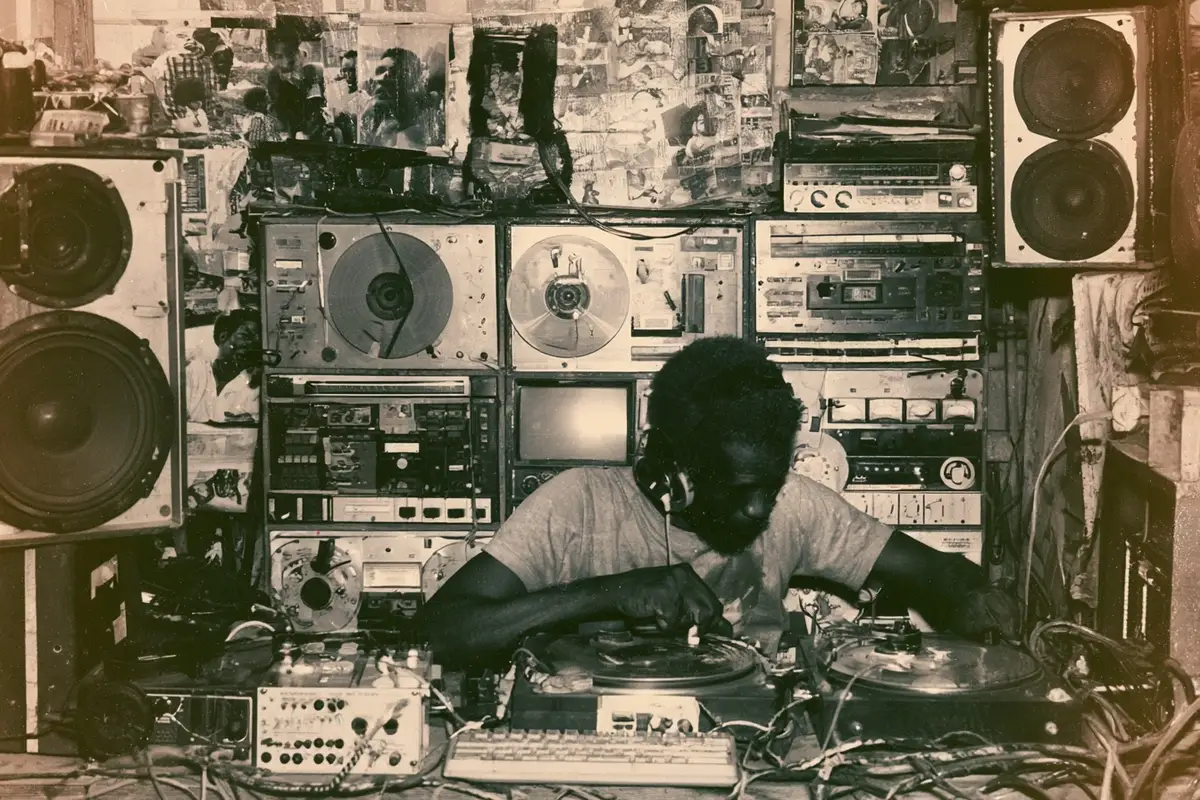
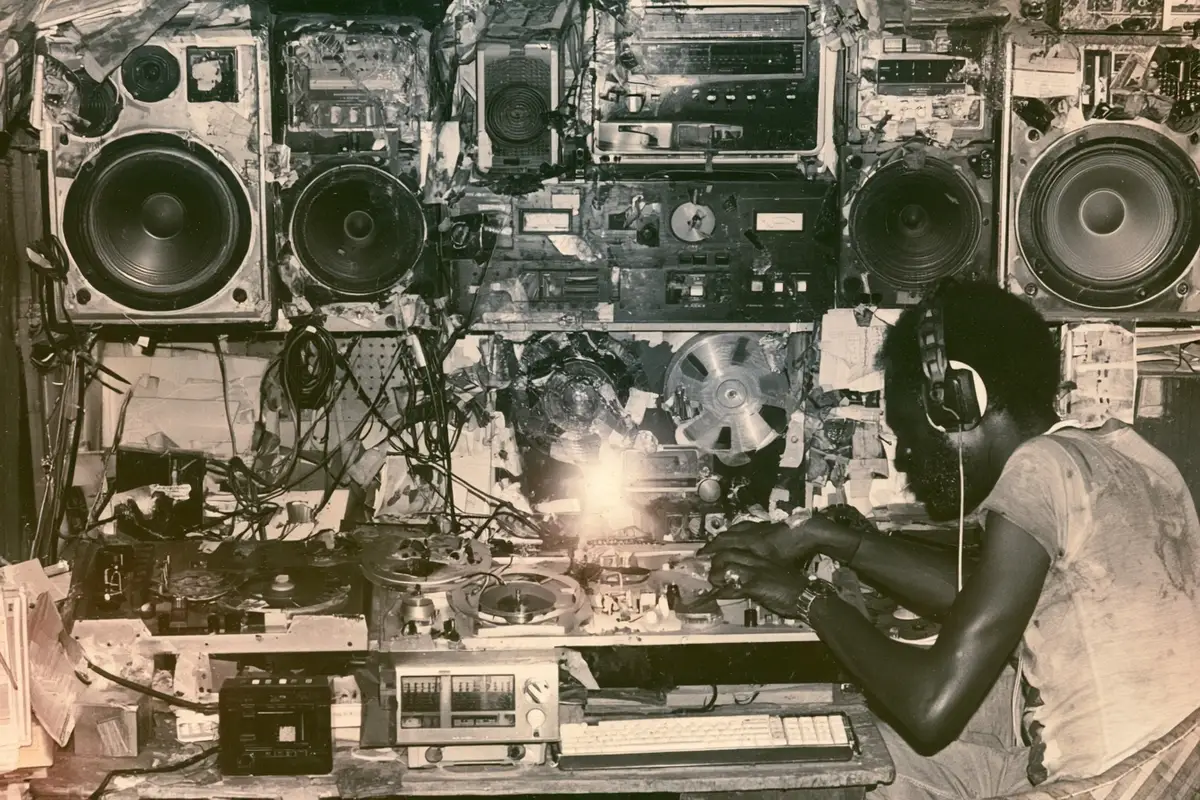
It matters that this came from Jammy rather than from someone outside the tradition. He had learned at King Tubby’s, building amplifiers before he was allowed near the desk, and his ear was formed on exactly the records the digital era is accused of betraying.
Listen to his output from either side of 1985 and the continuity is more obvious than the break. The same patience with space, the same refusal to fill every bar. The instruments changed. The way of hearing a rhythm did not.