The word over the riddim
Dub poetry put spoken verse in Jamaican language over a bass line and asked to be judged as literature. Britain in the late 1970s is where it did its hardest work.
The phrase dub poetry gets used loosely, usually to mean any poem read over a beat. The narrower meaning is more useful: verse written in Jamaican language, composed with a rhythm already in it, and performed over music built for the purpose rather than borrowed as a backdrop.
Written that way, the music is not accompaniment. It is part of the argument.
Why it needed Britain
The form has Jamaican roots and Jamaican practitioners, but a lot of its sharpest work was made in Britain, and the reason is circumstantial rather than artistic.
The children of the Windrush generation were growing up in a country that had asked their parents to come and then treated their presence as a problem. They were being stopped under the sus law, policed as a category, and told in the national press that they were a threat. That is a subject, and it needed a form that could carry reportage.
Poetry over a rhythm turned out to be very good at exactly that. It could name a street, a date, a police station, in language the community actually spoke, and put it in front of an audience that would never open a poetry collection.
The craft of it
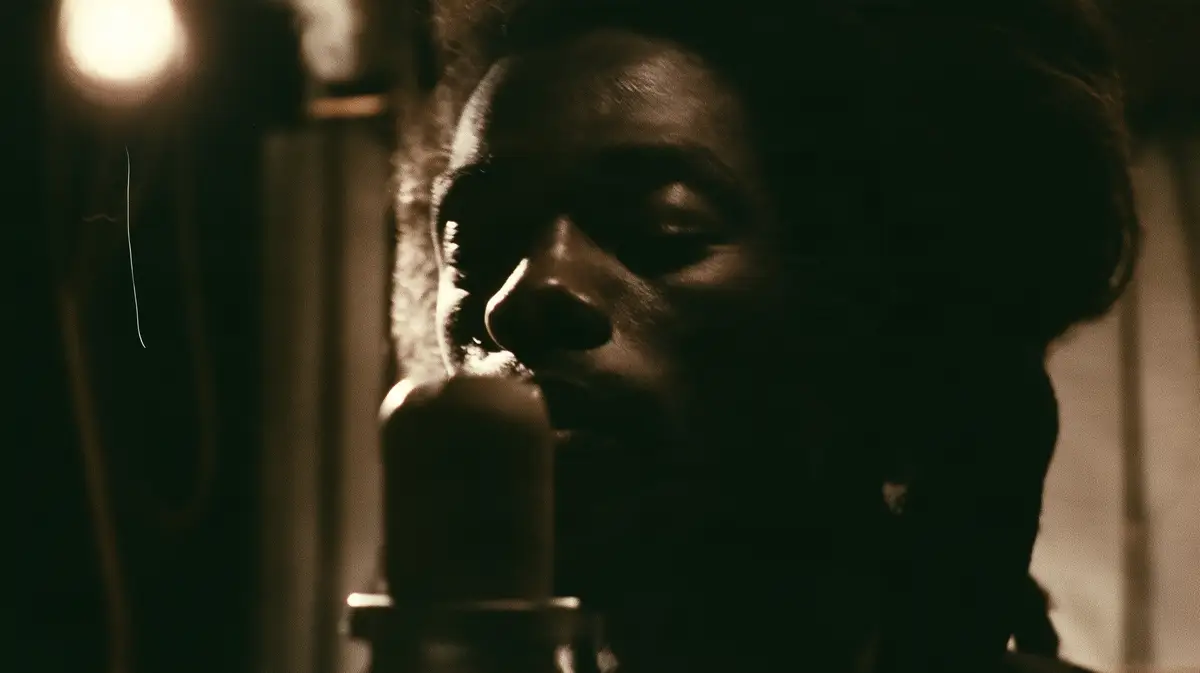
Linton Kwesi Johnson’s records are the clearest case, partly because Dennis Bovell’s arrangements are so disciplined. The music never crowds him. It states a bass line, holds it, opens a space, and lets the voice do the work. When it does move, it moves because the poem has.
The writing is not loose. It is metrically tight, heavily patterned with repetition, and edited hard. Read cold on the page it holds up, which is the test the form was often denied by people who assumed a Jamaican accent meant an absence of technique.
Not a period piece
It is easy to file this as a document of the late 1970s and early 1980s, and the specific events do belong to then. The method does not. Spoken verse over a rhythm, in the speaker’s own language, about the place they actually live, has kept being reinvented by people who had never heard of any of this.
Go back to the originals anyway. The recordings are better made than most of what came after, and the writing is the sort you can return to for years.