When dub came to Britain
The music crossed the Atlantic in suitcases and stayed. What British sounds did with it was not imitation, it was a second tradition growing out of the first.

The records arrived before the industry noticed. Through the 1960s and 1970s, Jamaican singles came into Britain with people, in suitcases and in small importers’ boxes, and were played in front rooms, blues dances and church halls because the venues that existed would not have them.
What grew out of that was not a copy of Kingston. It was a related but distinct culture, shaped by different rooms, a different climate and a different set of pressures.
Blues dances and the licensing problem
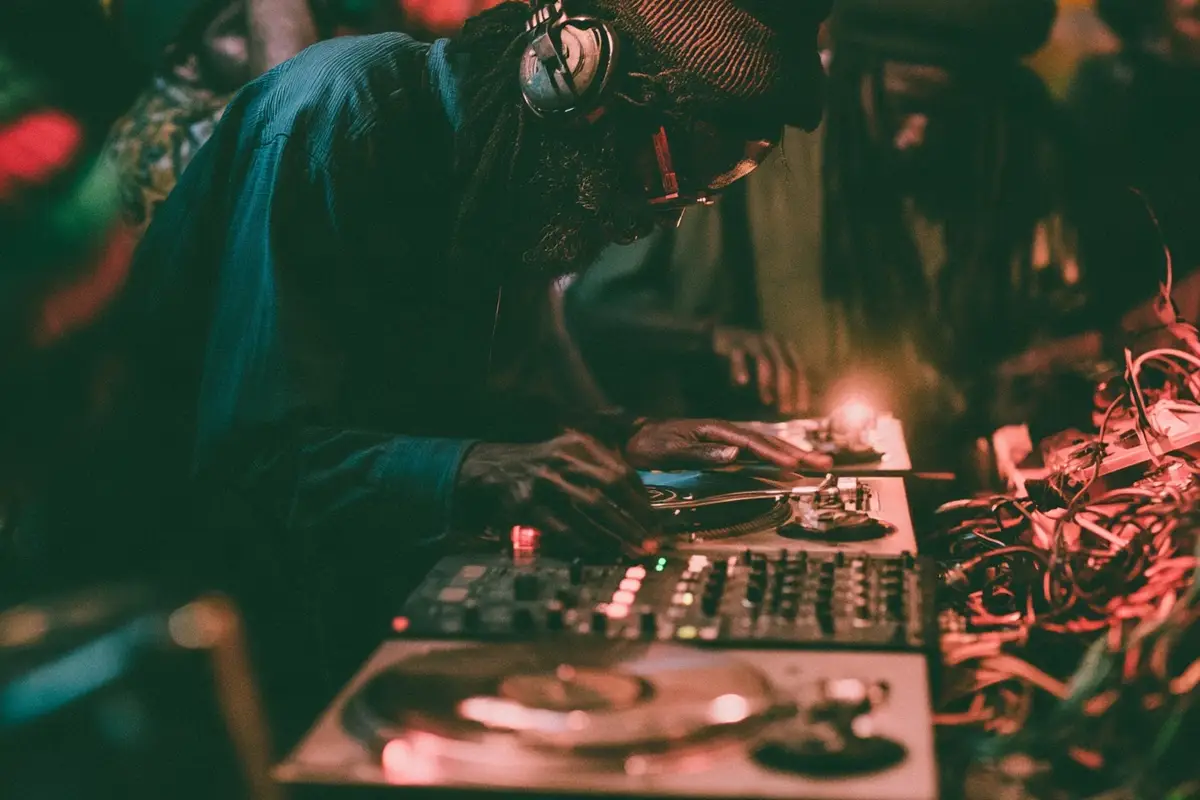
A blues dance was a party in a house or a rented basement, with a sound system, a door charge and food and drink sold on the night. It existed partly because it had to. Access to licensed venues was limited by a set of practices nobody wrote down, and the alternative was to build your own room.
That constraint shaped the music. Bass in a domestic building behaves differently from bass in a hall. Sounds were built to load a small, low ceilinged space, and the low end in British dub tends to be tighter and more punishing than the wide bottom you hear on Jamaican records from the same period.
Steppers
The rhythm that came to define British roots is steppers: a relentless four to the floor kick, slower than you expect, with the bass line usually simple and enormously long.
Where a Kingston rockers tune has swing in it, steppers is deliberately mechanical. It does not let up. In a small room at volume that becomes physical in a way that is hard to explain to somebody who has only heard it on a phone. The pattern was well suited to a scene where the dance could run all night and where the point was endurance and immersion rather than variety.
Building your own
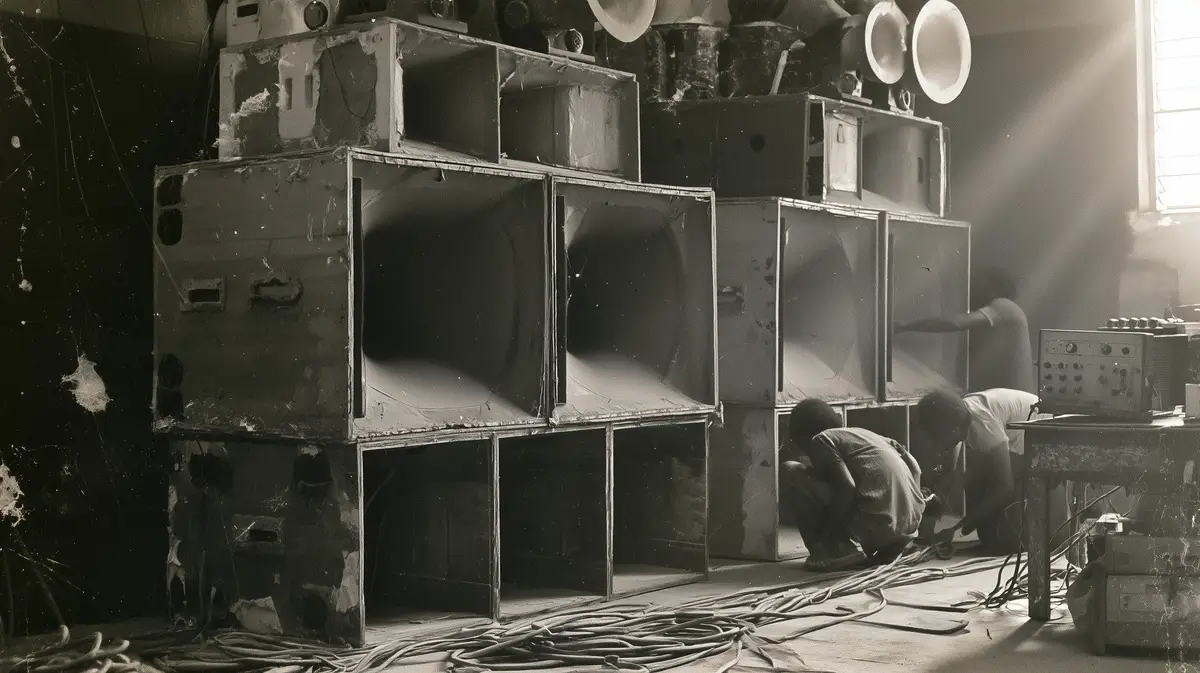
British sounds built their own boxes because importing was expensive and because the knowledge was already in the community. Carpenters, electricians and engineers who did other things during the week put crews together at weekends. Designs were shared, argued over, and improved in public, in the sense that every dance was a demonstration of somebody’s work.
That is why the culture is so specific about equipment. Asking a crew what is in their bass bins is not a technical question, it is asking about years of somebody’s labour.
Not a museum
There is a strong pull, when writing about this, to treat it as heritage: a thing that happened in the 1970s and 1980s and is now to be commemorated. That is wrong, and the people running sounds now would tell you so.
New boxes get built every year. New rhythms get cut. There are producers making steppers now who were not born when the records they grew up on were pressed. The tradition is being added to, not preserved, and the best thing you can do for it is turn up.