Ariwa, and building a studio out of nothing
British dub did not wait for the industry's permission. It built its own rooms, in south London and elsewhere, and made records the industry did not understand for another twenty years.
The story of British reggae is usually told through the records. It is more interesting told through the buildings, because getting a room was the hard part.
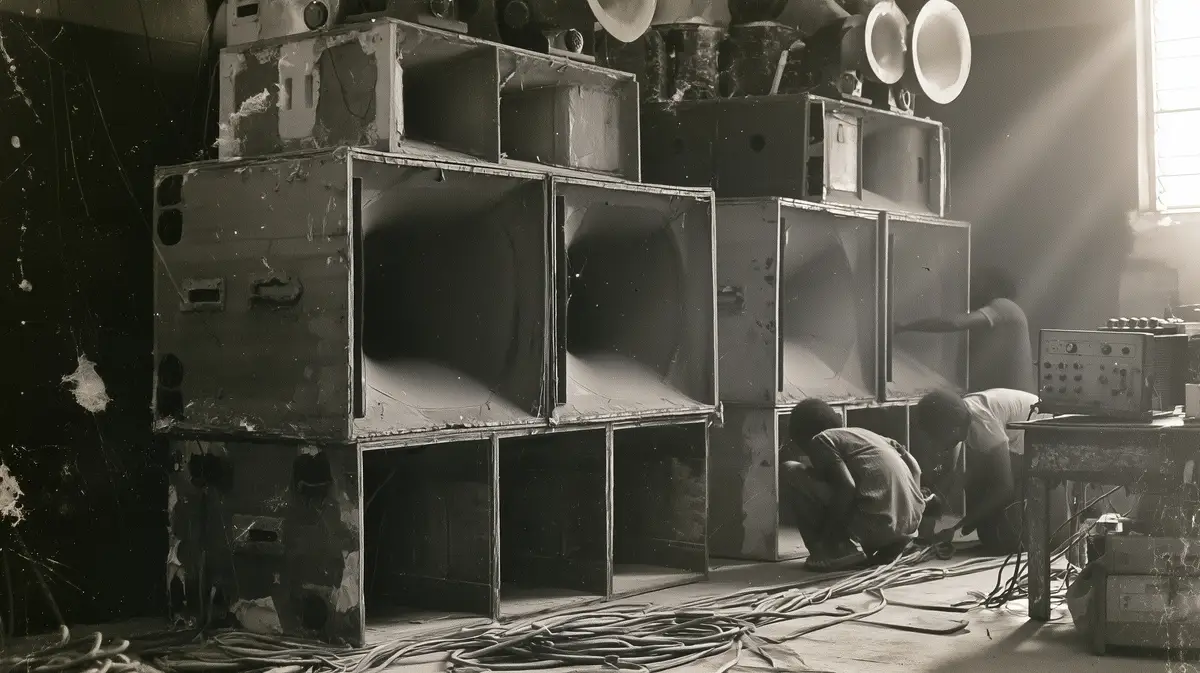
Major studios were expensive and, in practice, not especially interested. So people built their own: in front rooms, in converted shops, in whatever space could be soundproofed with the materials to hand. The equipment was frequently home made, because the person doing the building had learned electronics before they learned engineering.
Ariwa
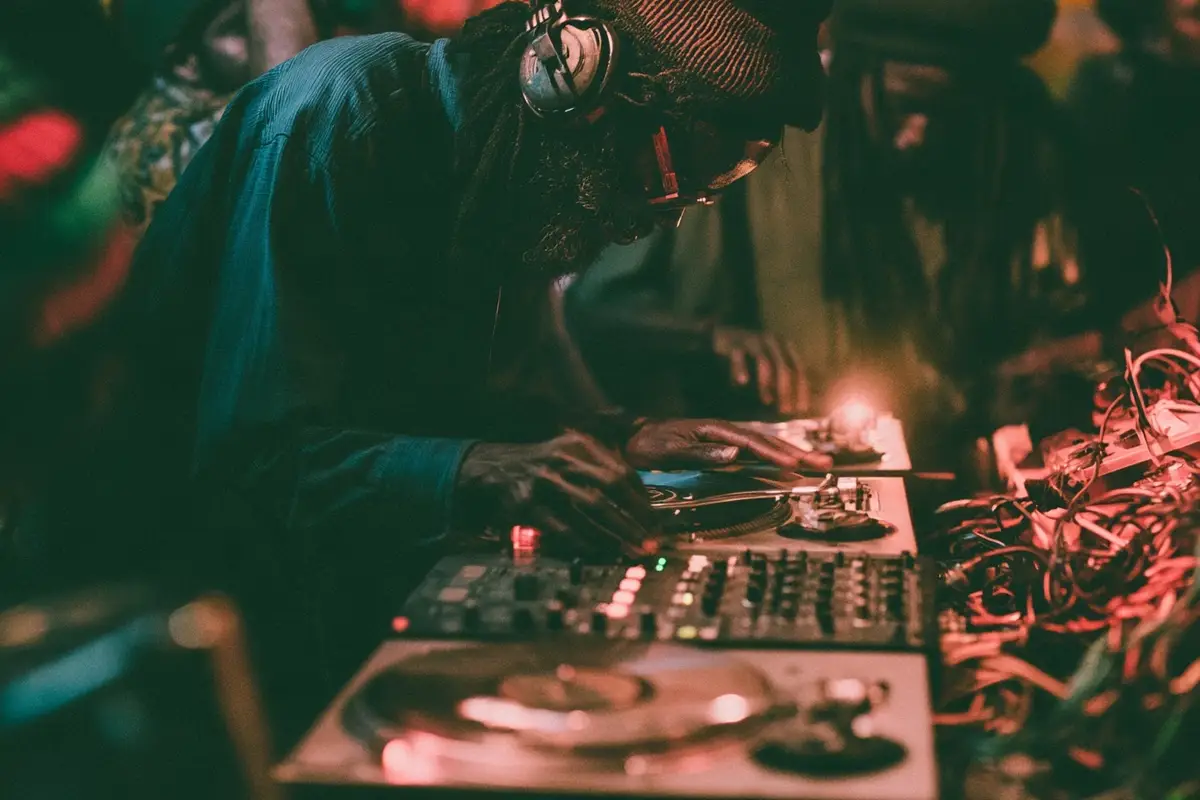
Neil Fraser, working as Mad Professor, built his own mixing desk as a teenager and opened Ariwa in south London at the end of the 1970s. It became one of the longest running black owned studios in the country, and it is still going.
The sound that came out of it is recognisably British. Cleaner and more electronic than the Kingston records of the same period, more obviously assembled, and enormous at the bottom because it was tuned for the systems it would be played on. The Dub Me Crazy series ran to a dozen volumes and is the easiest way in.
What tends to get missed is the vocal side of the catalogue. Ariwa put out a lot of singers, and the production on those records is more careful and less flamboyant than the dub work that made the name.
Why the rooms mattered
A studio you own changes what you can make. You are not paying by the hour, so you can leave a rhythm up for three days and come back to it. You can let somebody unknown come in and try something. You can develop a house sound, because the same room and the same hands are on everything.
That is the real difference between the British dub of this period and a major label’s idea of reggae. One was made by people with permanent access to their own equipment, answering to nobody. The other was made by appointment.
It is still the model
The equipment is cheaper now and the room can be a laptop, which changes the economics but not the principle. The scene still runs on people who own their own means of production and put records out without asking. Ariwa did not invent that, but it proved it could be sustained for four decades, which is the harder thing.