
Twelve dub records, in order
A route through dub itself rather than through reggae: twelve albums in sequence, from the first tentative experiments to the point where the method left Jamaica altogether.
Musician and producer
Horace Swaby took a cheap toy melodica and made it the loneliest sound in Jamaican music. As Augustus Pablo he built a style he called Far East, minor key and modal, closer to a lament than to anything else on the radio at the time.
His 1976 album with King Tubby, King Tubbys Meets Rockers Uptown, is the record most often handed to someone asking what dub is. It is patient, spacious and slightly haunted, and it holds up better than almost anything else from the period.
Pablo also ran his own Rockers label, producing other singers and players with the same restraint he brought to his own records. He died in 1999.
These are searches, not verified pages. Names in this music are reused often, so check you have the right Augustus Pablo before you buy anything.
A route through dub itself rather than through reggae: twelve albums in sequence, from the first tentative experiments to the point where the method left Jamaica altogether.
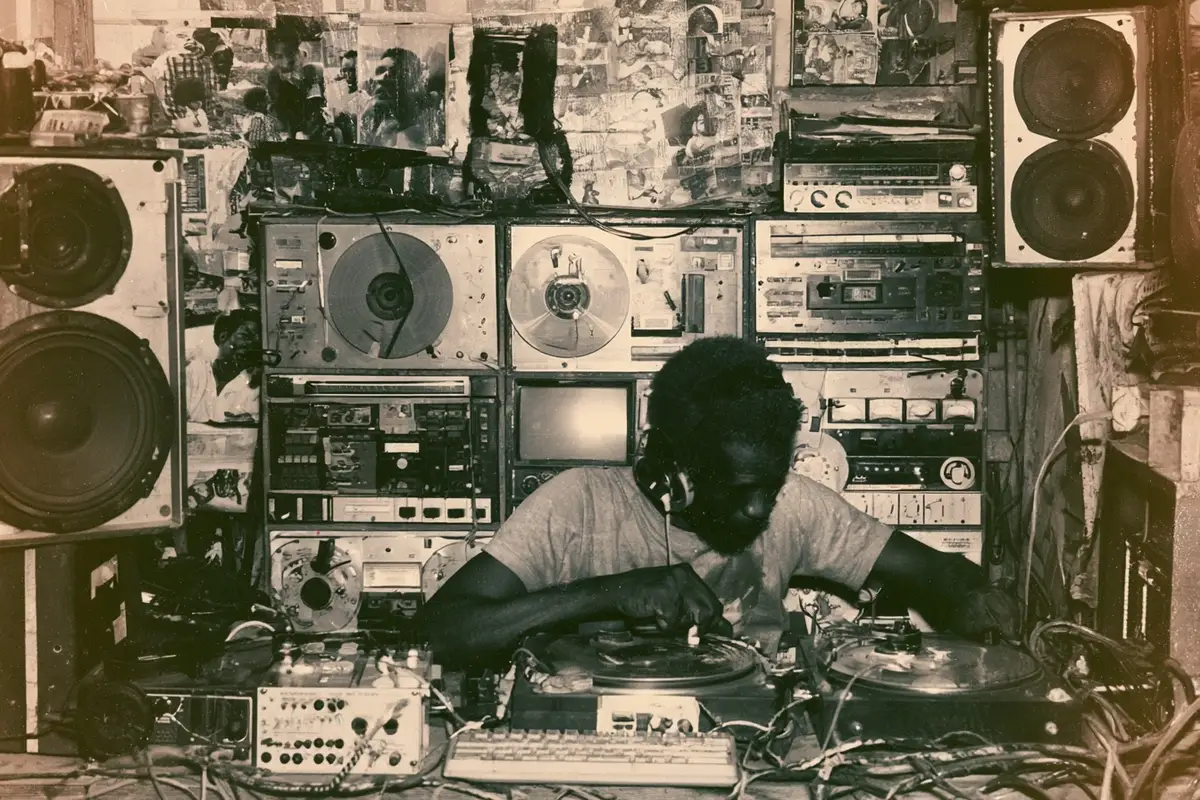
In a small room in Waterhouse, King Tubby stopped using a mixing desk to balance records and started using it to play them. Everything we call dub comes out of that decision.
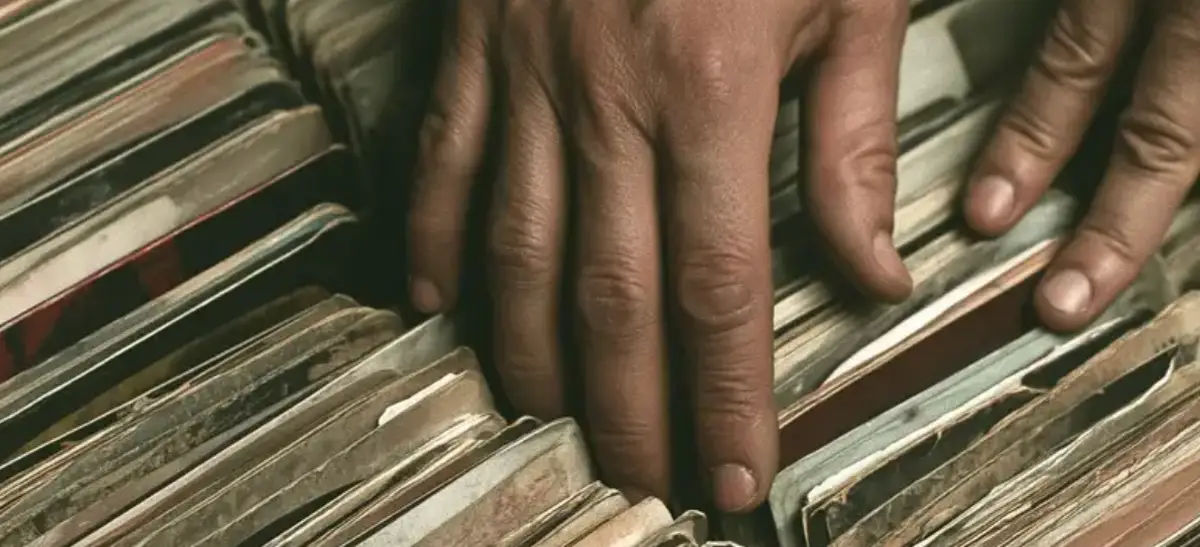
Not the ten best, and not the ten rarest. Ten that will teach you the most about how roots and dub work, in an order that makes sense.
The record people hand you when you ask what dub is. Fifty years on it is still the right answer, and still stranger than its reputation suggests.